Drones of War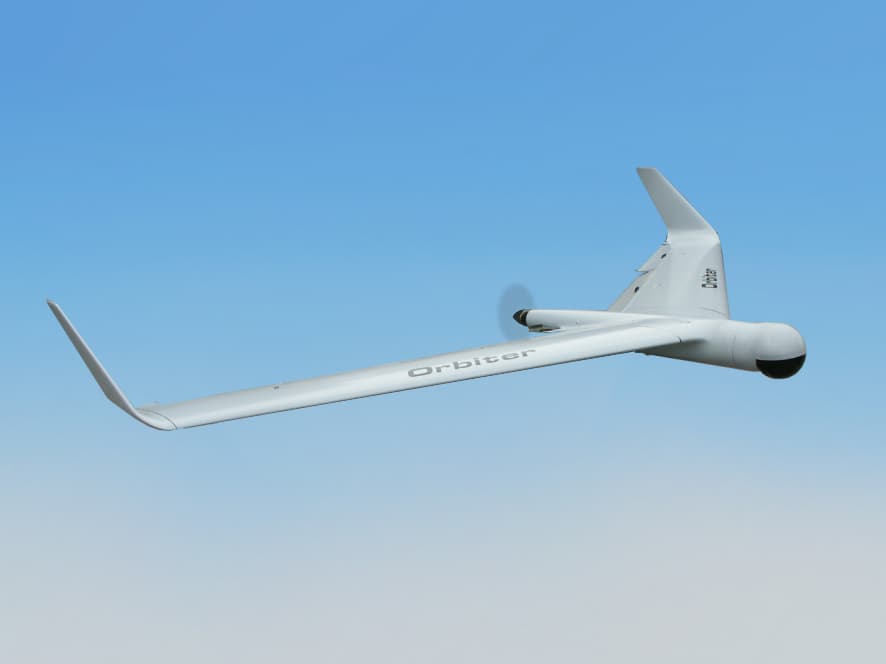
Orbiter 1K
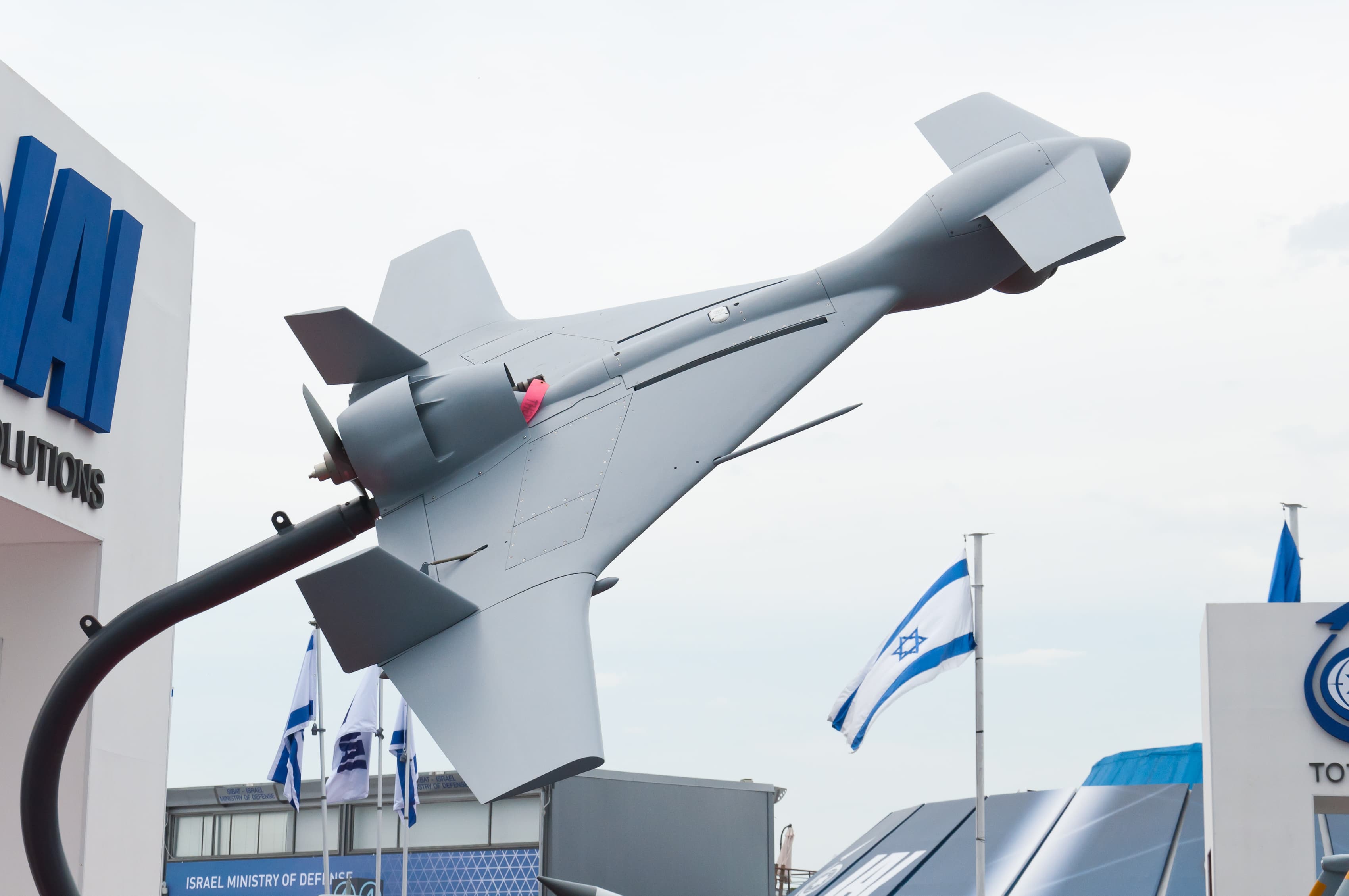
The Orbiter 1K is an Israeli man-portable loitering munition that served alongside the Harop in the 2020 Nagorno-Karabakh war, establishing the template for tactical kamikaze drones that could be carried by infantry and launched from the front line.
The Drone Nobody Filmed
When Azerbaijan tore through Armenian defences in the 44-day Nagorno-Karabakh war of autumn 2020, the footage that went global was all Harop and Bayraktar TB2: dramatic top-attack dives onto air defence radars, convoys exploding from above. What got almost no attention was the smaller Israeli loitering munition working alongside them. The Orbiter 1K, made by Aeronautics Ltd, was hitting tactical targets at a fraction of the Harop's size and cost, but nobody was making highlight reels out of it.
That's partly because the Orbiter 1K's target set doesn't film well. It kills infantry positions, light vehicles, field fortifications, the sort of thing that matters enormously to the squad on the ground but doesn't make for a viral video. And partly because the whole point of the system is that it's small, quiet, and hard to notice until it's already in the dive.
What Makes It Interesting
The Orbiter 1K is a man-portable kamikaze drone, but that description sells it short. What sets it apart from pure one-way systems like the Switchblade or Lancet is the abort-and-recover option. An infantry team launches it from a pneumatic catapult, sends it to loiter over an area for two to three hours with its EO/IR camera searching for targets. If it finds something worth killing, it dives. If it doesn't, or if the operator decides the situation has changed, the drone comes back and lands for reuse. It's only expendable when you want it to be.
That flexibility is the real selling point. A platoon leader with an Orbiter 1K doesn't have to choose between sending up a recon drone or holding back a strike weapon. It's both. Fly, look, assess. If there's a target, commit the aircraft. If not, bring it home and send it out again tomorrow. That ISR-to-strike decision can happen in the air, in real time, without needing a separate weapon system or a call for fire.
The specs: 2.9-metre wingspan, about 13 kg total weight including a 2 to 4 kg warhead (fragmentation for anti-personnel or shaped charge for light armour). Electric motor, pusher propeller, near-silent at operational altitude. Cruise speed around 80 km/h, with a maximum of about 130 km/h. Endurance sits at 2 to 3 hours, and range can exceed 100 km with a comms relay, though most tactical missions happen at much shorter distances.
Launch takes minutes from a pneumatic catapult that needs no runway and no rocket booster. Recovery is a belly landing on flat ground or parachute. The control station gives the operator real-time video from a gimballed nose camera, with GPS waypoint navigation for the autonomous flight phases and manual or lock-on guidance for the terminal attack.
The whole system, launcher, control station, and multiple air vehicles, packs into cases a small team can carry. Portable is relative, though. A single Orbiter 1K weighs 13 kg, but the full system with everything you need to operate it weighs considerably more. You need a dedicated team.
Combat Record
Azerbaijan is the confirmed operator from the 2020 war. Open-source documentation of specific Orbiter 1K strikes is thinner than for the Harop, which is expected: the Harop was destroying strategic air defence systems (S-300, Osa, Tor) with a 23 kg warhead, producing the kind of spectacular footage that circulates globally. The Orbiter 1K was doing the less photogenic work against smaller tactical targets.
Armenian forces confirmed encountering small loitering munitions throughout the conflict, and wreckage recovered from the battlefield included identified Orbiter 1K components. The combat use was real; it's just less well-documented than the headline systems.
What the Nagorno-Karabakh deployment did accomplish was establishing the Orbiter 1K as combat-proven, and in the defence export business that matters more than any spec sheet. Countries buy systems that have actually been used in war. The Orbiter 1K came out of 2020 with that credential.
How It Stacks Up
The loitering munition market has gotten crowded since 2020. Where does the Orbiter 1K sit?
Against the Switchblade 300, it's the more capable system: longer endurance (2-3 hours versus about 15 minutes), more range, and you can abort and reuse. The Switchblade 300 is lighter, more truly one-man portable, but it's a single-shot weapon with very little loiter time.
Against the Switchblade 600, the Orbiter 1K is smaller and weaker. The 600's anti-armour warhead can kill tanks. The Orbiter 1K's 2-4 kg warhead can't touch that. But it's cheaper, more portable, and has much longer endurance.
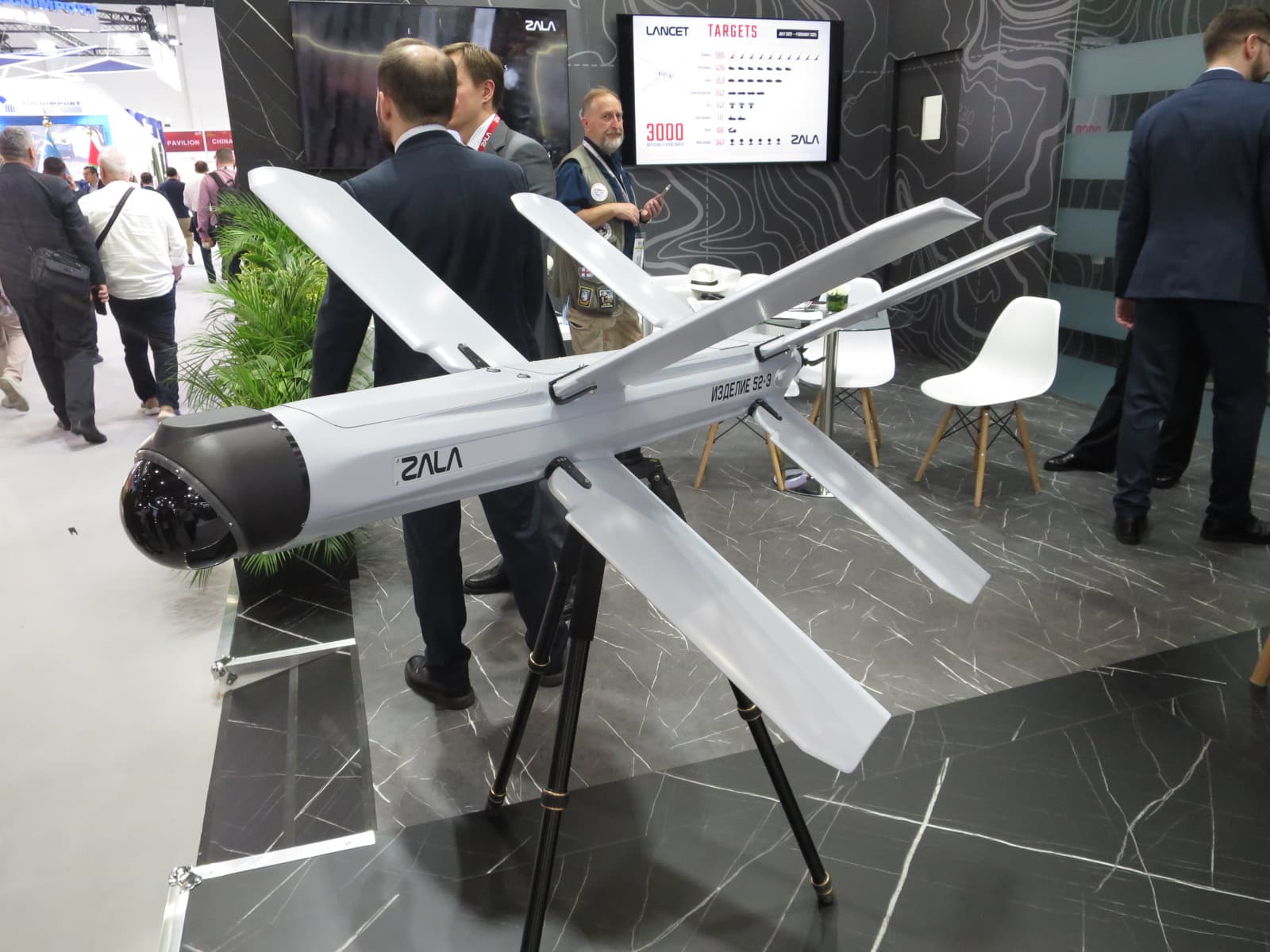
The Lancet-3 comparison is trickier. The Lancet is heavier (12 kg), faster in its terminal phase, and carries a bigger warhead (3-5 kg). The Orbiter 1K has better endurance and the reusable option. But the Lancet has the far more extensive combat record from Ukraine, where it's been destroying armour at scale.
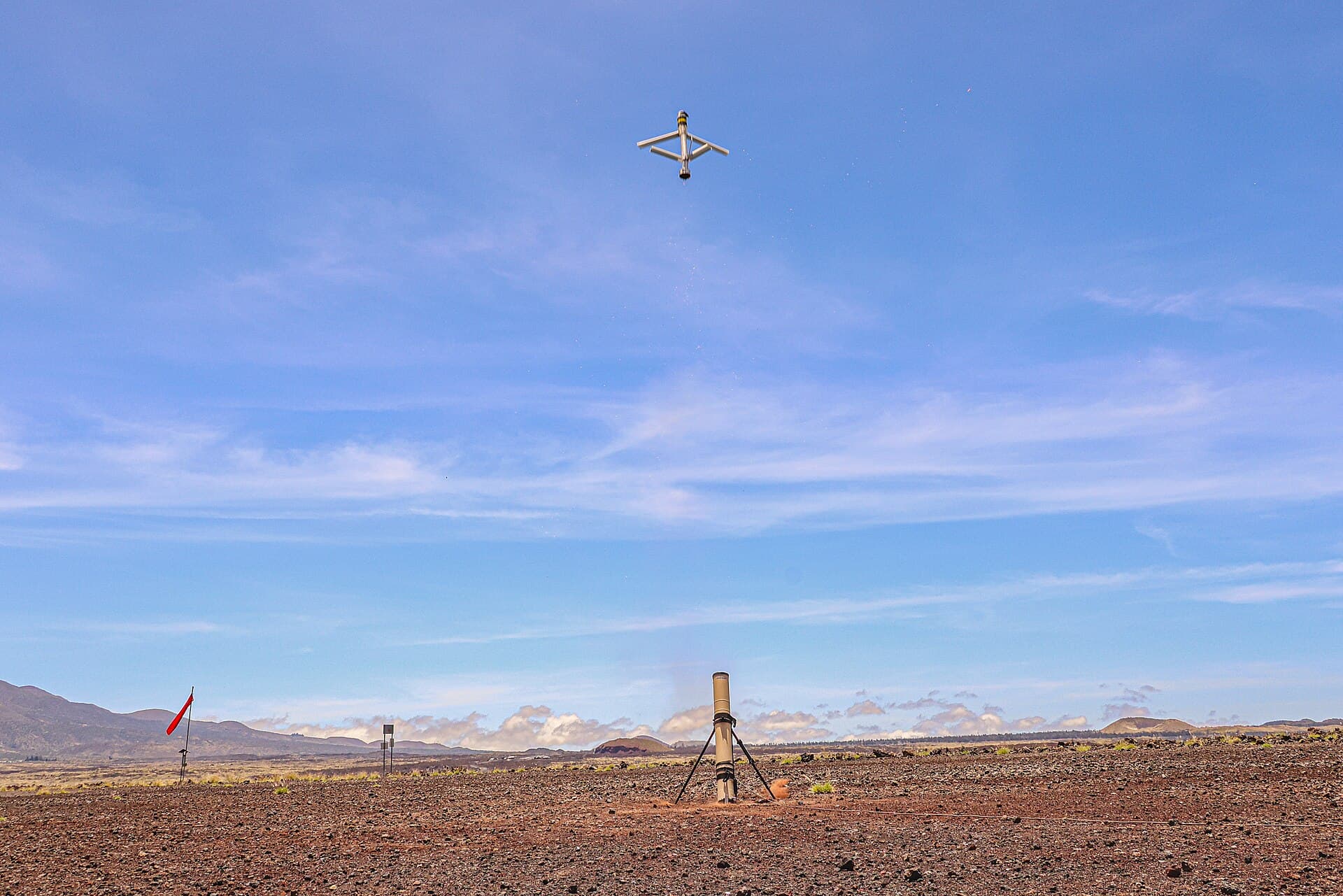
And then there are FPV drones, which have rewritten the economics entirely. An Orbiter 1K costs tens of thousands of dollars. An FPV drone costs maybe $400. For close-range tactical strikes, the kind that dominate the Ukraine fighting, the math heavily favours expendable FPV quads despite their shorter range and limited autonomy.
Who's Buying
Aeronautics Ltd has sold the Orbiter 1K to multiple countries, though the full customer list isn't public. Azerbaijan is the confirmed high-profile operator. Other reported buyers include unnamed countries in Eastern Europe, Asia, and Africa.
The pitch to export customers is simple: loitering munition capability at a fraction of the cost and complexity of something like a Harop or Switchblade 600. For militaries that can't afford MALE drones or precision-guided missile stocks, a man-portable kamikaze drone that doubles as a recon platform fills a real gap. Aeronautics also makes the Orbiter 2 and Orbiter 4 at larger scales, but the 1K is the one that infantry can actually carry and use without a major logistics tail.
The Limits
The 2-4 kg warhead is the hard constraint. Soft targets and light vehicles only. Anything with real armour is out of reach, and that's an increasingly uncomfortable limitation as the market expects loitering munitions to take on heavier targets.
Electric propulsion keeps it quiet but also limits speed and wind tolerance. In strong winds the small airframe has trouble holding station, which cuts into effective loiter time and targeting accuracy.
The reusable concept works only when conditions allow recovery. In a fluid fight where landing zones might be under observation or fire, getting the drone back is a risk that purely expendable systems don't have.
Why It Matters
The Orbiter 1K belongs to a generation of weapons that put precision strike into the hands of infantry squads. Before loitering munitions, the smallest unit that could independently find and destroy a target with precision was typically a company with mortar support, or a platoon with an anti-tank missile that required line of sight. The Orbiter 1K lets a squad find and kill something over the next hill, behind a building, or in dead ground that no direct-fire weapon can reach. Up to 100 km away. With a system that fits in carrying cases.
The loitering munition space is crowded now and growing fast. The Orbiter 1K isn't the only player in its niche anymore. But it was among the first to prove the concept under fire, and that combat pedigree, earned in the same war that made the Harop and TB2 famous, keeps driving export interest for an aircraft most people have never heard of.
Sponsored
Place your ad hereSpecifications
| Wingspan | 2.9 m |
| Length | 1.2 m |
| Max Takeoff Weight | 13 kg |
| Warhead | 2-4 kg fragmentation or shaped charge |
| Max Speed | 130 km/h (70 knots) |
| Cruise Speed | 70-93 km/h (38-50 knots) |
| Endurance | 2-3 hours |
| Range | 50 km mission range (100 km datalink with relay) |
| Ceiling | 4,115 m (13,500 ft) |
| Engine | Electric motor |
| Guidance | EO/IR seeker + GPS + operator control |
| Launch | Pneumatic catapult, man-portable |